
Rain Gauge Sensor
Accurate Rainfall Measurement with Suryalog Rain Gauge Sensor
Sensors
Why choose SuryaLogix Rain Gauge Sensor?
- Precision Rainfall Monitoring with Suryalogix Sensor: IEC 61724-1:2021 Compliant
- Suryalogix Rain Gauge Sensor: Advanced Rainfall Measurement for PV Systems
- Reliable Precipitation Data for PV Monitoring: Suryalogix Rain Gauge Sensor
- Suryalogix Rain Gauge: Accurate and Compliant Rainfall Measurement for Solar PV Applications
- Enhanced Rainfall Monitoring for PV Systems with Suryalogix Sensor Following IEC 61724-1:2021
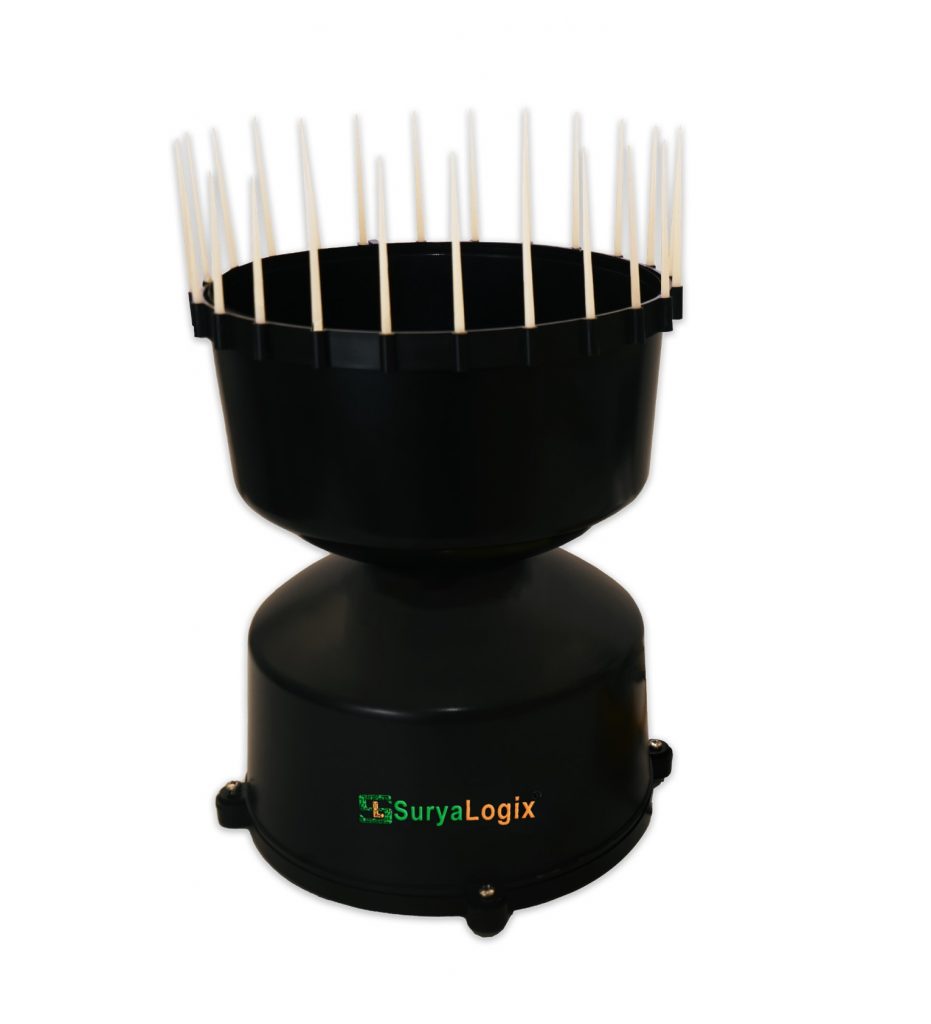
Specifications & Features
- Supply Voltage: 12 to 24 Vdc
- Ingress Protection (IP):IP65
- Measuring Range: 500 mm/hr
Frequently Asked Questions (FAQs) About Rain Gauge Sensor
A rain gauge measures the amount of rainfall at a specific location. It helps monitor weather conditions and rainfall at solar PV plants.
A rain gauge is the instrument used to measure rainfall. It records precipitation in millimetres (mm).
A known quantity of water is passed through the rain gauge and compared with its reading. Any measurement difference is adjusted during calibration.
IEC 61724-1 provides guidelines for monitoring environmental parameters in PV plants. Rainfall can be monitored as an additional meteorological parameter.
Rain gauges may support RS-485, Modbus RTU, or pulse output. These interfaces allow integration with WMS, dataloggers, and SCADA.
Standard tipping bucket rain gauges mainly measure liquid rainfall. Snowfall measurement requires a heated or specialized precipitation sensor.
A rain gauge connects to a datalogger or WMS using pulse, RS-485, or Modbus. The rainfall data can then be monitored and analyzed through SCADA.
Rain gauges should be inspected and cleaned regularly to remove dust, leaves, and debris. Maintenance frequency depends on site conditions.

